Kindness Quote Design for Real Embroidery Projects
First Impressions: A Warm and Uplifting Message
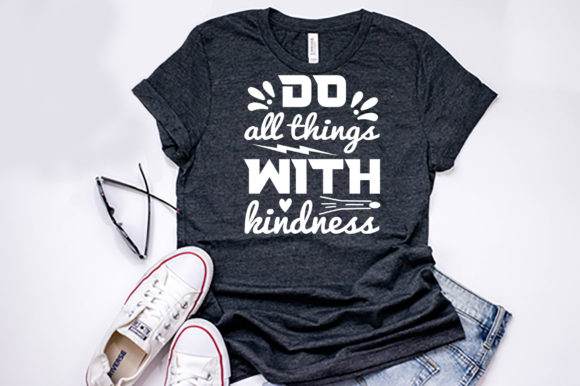
The Kindness Quote Design, Do All Things With Kindness, makes a gentle yet powerful first impression. It’s one of those designs that feels like it was made to be stitched rather than just displayed on screen. The layout is balanced, with the quote arranged in a way that draws attention without overwhelming the eye. The font choices are clean and readable, which immediately tells me this design is intended for real-world application — not just digital use.Real-World Performance Across Different Embroidery Projects
I’ve tested similar designs in various contexts, and I can say with confidence that Do All Things With Kindness will perform well on a number of common embroidery projects:- Tote Bag Design: The design looks great centered on a cotton canvas tote. It reads clearly even after stitching, especially if you choose thread colors that contrast well with the fabric.
- Sweatshirt Embroidery: On a medium-weight fleece or cotton-blend sweatshirt, this quote adds a warm, thoughtful touch. The simplicity ensures it doesn’t pull away from the garment’s comfort aesthetic.
- Baby Embroidery: This kind of uplifting message works beautifully on onesies, bibs, or blankets. Just make sure to adjust stitch density for delicate fabrics and avoid overly dense fill areas near seams.
- Embroidered Patch: As a standalone patch, the design holds its own. It can be used as a pin or sewn onto denim jackets, backpacks, or uniforms. The structure is flat and compact, perfect for patchwork.
- Holiday Embroidery: For Christmas gifts, Mother’s Day cards, or Valentine’s day apparel, the message fits naturally. Consider pairing it with simple seasonal elements in your printable mockups to enhance giftability.
- Etsy Seller Appeal: The design has strong potential for small shop products. It’s easy to rebrand, fits well in craft business themes, and can be adapted for boutique branding with minimal effort.
Where to Use It Carefully
While the Kindness Quote Design is versatile, there are some situations where you’ll want to approach it thoughtfully:- Small Hoop Sizes: If you plan to use it on tiny items like jewelry pouches or embroidered buttons, check whether the text becomes too cramped. Tiny lettering may lose clarity after stitching.
- Textured Fabrics: On materials like felt or burlap, the design might require adjustments in stitch types or tension settings. Running stitch or backstitch could help maintain definition.
- Thin or Stretchy Fabrics: Avoid using it on very stretchy materials like spandex blends unless you have a stabilizer setup that prevents distortion. Thin cotton or silk can also show through stitches more, so thread color choice becomes crucial.
- Dark Fabric Backgrounds: While the PNG files included in the ZIP file provide good outlines, dark-colored garments may need white or light thread for visibility. Always test on scrap material first.
- Curved Surfaces: When placing it on caps or curved parts of a hoodie, ensure the design is properly aligned and stretched to match the curvature. Misalignment can affect readability.
- Dense Stitch Areas: If you plan to layer multiple designs or add fill stitch behind the text, consider how the stitch density will affect the overall look and durability of the finished product.
Visual Appeal and Customer Response
For handmade presentation, the design maintains a soft, artisanal feel. It’s not too bold, so it complements rather than competes with other elements of the product. This makes it a solid choice for small shop product lines or craft fair products where consistency and style matter.Design Notes for Embroidery Professionals
Test on Scrap Fabric First: Before committing to a client project or batch of products, always run a test stitch. This helps catch issues with thread tension, color blending, or alignment early.
Check Thread Color Contrast: If the background is dark or the fabric is busy, consider using lighter thread colors. The PNG files provided are useful for visualizing how the design will appear before finalizing thread selections.
Review Stitch Density: The design includes several stitch types (likely satin and fill). Depending on the fabric, you may need to adjust the stitch spacing to prevent puckering or excessive bulk.
Confirm Hoop Size: Though the exact hoop size isn’t listed, it’s wise to confirm what your machine requires. If you’re unsure, start with a mid-sized hoop and adjust from there.
Inspect Small Details: Look closely at the corners and edges of the letters. Any tiny details may require additional stabilization or manual tweaking depending on your machine and fabric.
Test Black and White Mockups: Especially for digital product previews, seeing the design in grayscale helps assess how it translates across different lighting conditions and backgrounds.
Use Proper Stabilizer: For lightweight or stretchy fabrics, a tear-away or cut-away stabilizer will help keep the design crisp and prevent distortion during the stitching process.
Confirm Licensing for Commercial Use: Since the design is categorized under T-Shirt Designs and Graphics, double-check the licensing agreement before using it in commercial embroidery or selling digital embroidery files. Some designs restrict resale of the finished product or digital assets.