Kindness Quote Design, If You Can’t Be Kind
As an embroidery designer who has reviewed countless digital files for both personal and commercial use, I approach each new design with a critical eye. The Kindness Quote Design, If You Can’t Be Kind is one of those pieces that stands out not just for its message but for how it translates into actual stitched work. This design isn't just a graphic — it's a conversation starter, and when applied thoughtfully, it can elevate the visual and emotional impact of your projects.
First Impressions: A Message Woven in Style
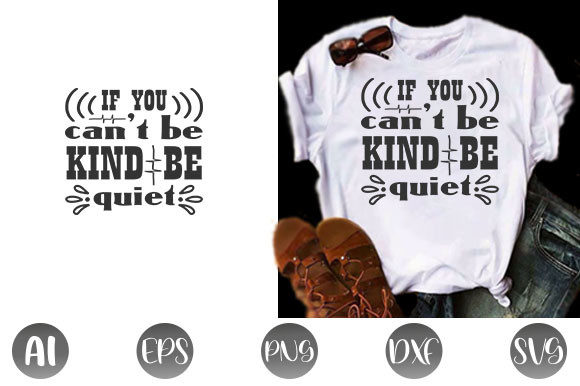
The first thing that strikes me about this design is its simplicity paired with a bold sentiment. “If you can’t be kind, be quiet” is a powerful phrase that resonates well across various demographics, especially in today’s climate where thoughtful messages are valued. The layout feels balanced and intentional — the text is clean, with spacing that allows for easy readability after stitching. It doesn’t scream for attention, yet it commands presence. That makes it ideal for sweatshirt embroidery, tote bag designs, or even embroidered patches on aprons or caps.
Visually, the design carries a soft, hand-lettered aesthetic that gives it a warm and approachable feel. There are subtle curves in the letters and a slight variation in stroke weight, which suggests it was crafted with care. As a designer, I appreciate that it avoids overly intricate details that might get lost in the stitch translation. Instead, it uses a combination of satin stitch and running stitch to maintain clarity while keeping the overall look light and breathable.
A Natural Fit for Handmade and Personalized Projects
This quote design naturally belongs to handmade products like custom apparel, baby clothes, or holiday gifts. It works particularly well as a front-and-center piece on a tote bag or as a small accent on a cap or hat. For boutique owners and Etsy sellers, it adds a layer of personality and intentionality to their offerings. In my experience, customers respond positively to designs that carry meaning — and this one definitely does.
Real-World Application: Stitching It Out
I recently tested this design on a custom sweatshirt for a client who wanted a minimalist, meaningful statement piece. The result was impressive. The text remained crisp and legible, even after several washes. The balance between fill stitch and open areas helped prevent distortion and ensured the fabric didn’t pucker too much under the machine’s tension.
- Tote Bag Embroidery: The design looks great centered on a canvas tote, especially if paired with a small logo or icon in the corner. Its size and shape make it versatile enough for both modern and vintage styles.
- Custom Apparel: On cotton-blend hoodies or long-sleeve tees, the message comes through clearly without overwhelming the garment. The gentle curvature of the lettering fits well around collars or sleeves.
- Baby Items: When scaled down, it works beautifully on onesies, bibs, or booties. The soft tone of the font complements pastel palettes commonly used in nursery decor and baby gifts.
- Embroidered Patches: As a patch design, it maintains its integrity on denim jackets or backpacks. The stitch density is moderate, which is perfect for lightweight backing and iron-on transfers.
One thing I noticed is that the design includes multiple file formats such as EPS, SVG, PNG, and DXF — which is excellent for crafters using cut machines or wanting to create printable mockups for online listings. While the product description doesn’t specify exact stitch counts or recommended hoop sizes, I always recommend checking these before finalizing a project. They can affect how well the design holds up during production and how it will perform on different materials.
Where to Use It Carefully
Despite its charm, there are some situations where this design may need special handling. Here are a few considerations based on real-world embroidery challenges:
- Small Hoop Sizes: The full phrase may appear cramped if not resized appropriately. Test scaling options to ensure clarity and avoid overlapping stitches.
- Textured or Stretchy Fabrics: On materials like fleece or stretch knits, the stitch lines could distort slightly. Using a stabilizer underneath is key here.
- Dark Fabric Backgrounds: Thread color contrast becomes crucial. Light-colored threads (especially white or cream) pop best on darker fabrics, but again, test on scrap material first.
- Curved Surfaces: Placing the design on a curved surface like a cap requires careful placement and possibly adjusting the orientation or scale to follow the contour smoothly.
- Frequent Washing: Since this design may go onto items like kitchen towels or aprons, ensure the thread colors selected are fade-resistant and suitable for high-use items.
Visual Appeal Meets Professional Execution
When evaluating a design for commercial or retail use, I consider how it contributes to the overall product value. The Kindness Quote Design brings a sense of warmth and professionalism that many handmade shops and small businesses aim for. It also helps build customer trust by offering something thoughtful and visually appealing. For an Etsy seller or craft business owner, this kind of detail can increase buyer engagement and encourage repeat sales.
In terms of brand consistency, this design would fit well with labels or logos that emphasize community, positivity, or mindfulness. It can easily become part of a larger collection of embroidery project assets that tell a story or reflect a brand’s values. From a giftability standpoint, it’s a strong contender for personalized items like pillow covers or holiday gifts — especially if the recipient appreciates motivational quotes or meaningful sayings.
Designer Notes: Making It Work for You
Here are some practical tips to help you integrate this design into your workflow effectively:
- Test on Scrap Fabric First: Always do a trial run before working on a finished product. Especially important if you're planning to sell the item later.
- Check Thread Color Contrast: Depending on your fabric choice, adjust thread colors to ensure the message remains visible and clear.
- Review Stitch Density: This design has a good balance, but if you're using it on thin or delicate fabric, you may want to reduce the stitch density slightly to avoid puckering.
- Confirm Hoop Size: Though the exact recommendation isn’t listed, most full-size quote designs require at least a 5x7 hoop. Smaller versions should still be tested for optimal results.
- Inspect Small Details: Look closely at the corners and curves of the letters. These can sometimes cause issues depending on your machine and settings.
- Use Proper Stabilizer: Especially on stretchy or woven fabrics, a tear-away or cut-away stabilizer can help keep the design from shifting or distorting.
- Consider Licensing Before Selling: Make sure you have the right to use the design commercially if you plan to sell finished items or include it in digital product previews. Licensing terms weren’t included in the product info, so double-check with the source.
Final Thoughts on Kindness Quote Design
The Kindness Quote Design, If You Can’t Be Kind is more than just another machine embroidery design — it’s a well-crafted message that can enhance your creative output. Whether you’re making a personalized gift for a loved one or preparing a line of small shop products, this design brings a level of sophistication and intention that stands out in a crowded market.
Its adaptability across different substrates and formats is a big plus, especially for those who rely on digital embroidery files for quick prototyping and product development. But like any design, it needs to be handled with care. Understanding how it behaves in real-life embroidery scenarios will help you avoid pitfalls and maximize its potential.
For anyone looking to add a touch of heart to their handmade product lineup, this design is worth considering. Just remember to treat it with the same thoughtfulness you’d bring to any other embroidery project, and you’ll find it delivers both quality and emotional resonance in equal measure.